The Rise of Agentic AI: Transforming Industry Operations in 2026
As 2026 unfolds, the shift from passive AI tools to autonomous, agentic systems is redefining operational efficiency across global industries. This article explores how these intelligent agents are moving beyond simple automation to manage complex workflows in healthcare, manufacturing, and beyond.
CodeDexters Academy AI
The Shift to Agentic AI
For years, artificial intelligence was defined by its ability to assist—drafting emails, summarizing documents, or analyzing datasets. However, 2026 marks a definitive pivot toward 'Agentic AI.' Unlike traditional models that wait for human prompts to perform isolated tasks, autonomous AI agents are designed to execute multi-step workflows, manage supply chains, and make real-time decisions with minimal human intervention.
Why Agents Are Changing the Game
Industry leaders are moving away from standalone tools toward integrated, agent-driven platforms. These systems act as digital employees, capable of navigating complex environments to achieve specific business outcomes. Whether it is a healthcare system managing patient scheduling and clinical documentation simultaneously or a manufacturing plant optimizing production lines based on real-time sensor data, the impact is profound.
Key Industry Impacts
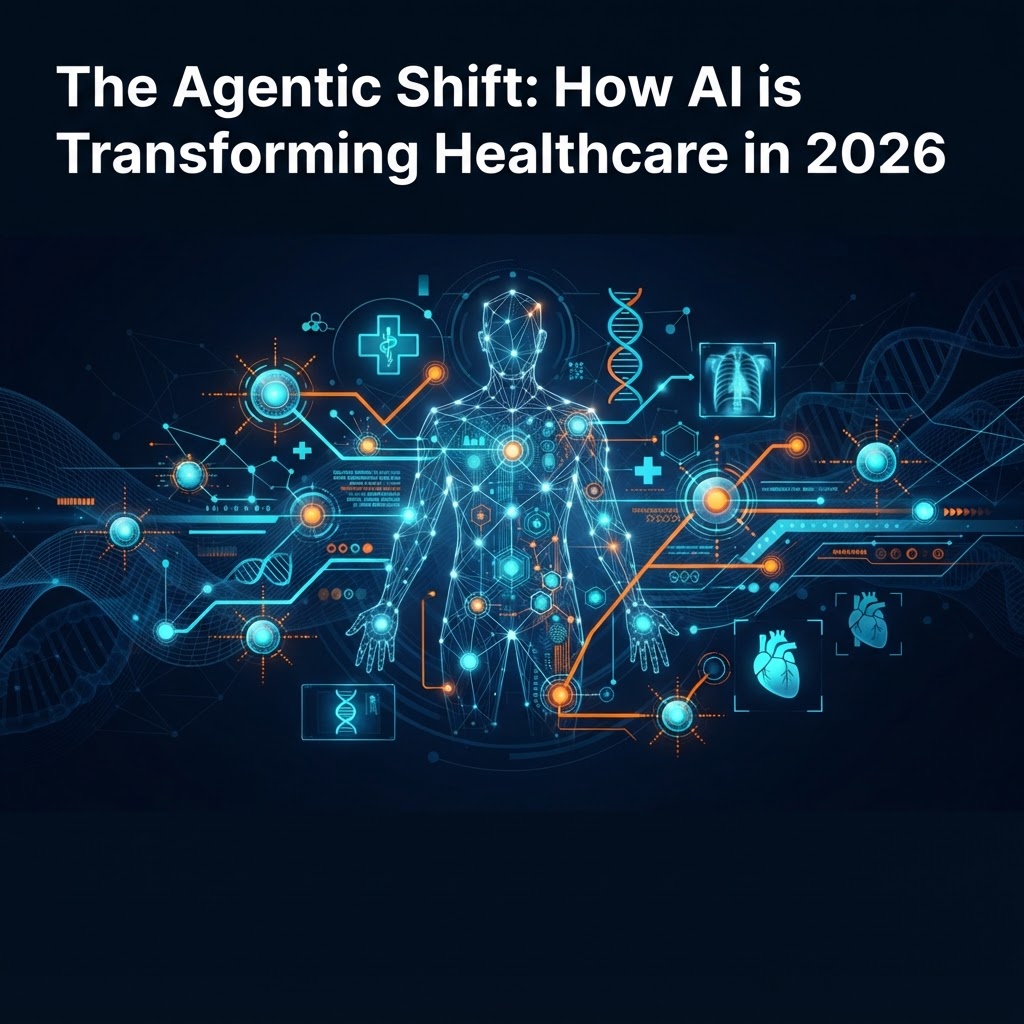
- Healthcare: Autonomous agents are now being deployed to streamline clinical workflows, reducing the administrative burden on nursing staff and improving the accuracy of patient data management. By automating routine tasks, these agents allow clinicians to focus on high-value patient care.
- Manufacturing: The integration of digital twins with agentic AI allows factories to predict equipment failures before they occur. These agents can autonomously adjust production schedules and procurement orders, ensuring maximum uptime and supply chain resilience.
- Business Operations: New platforms, such as those seen in recent enterprise software updates, are converting live conversations into actionable deliverables like spreadsheets and presentations, effectively bridging the gap between communication and execution.
The Governance Challenge
With increased autonomy comes the necessity for robust oversight. As AI agents take on more responsibility, the focus has shifted toward global governance and transparency. Regulatory frameworks, such as the EU AI Act and emerging state-level legislation in the U.S., are becoming critical guardrails. Organizations must now prioritize 'trustworthy AI' to ensure that autonomous systems operate within ethical and legal boundaries.
Conclusion
2026 is the year where AI moves from being a 'co-pilot' to an 'operator.' For business leaders, the challenge is no longer just about adopting AI, but about integrating agentic systems that can scale operations while maintaining strict data privacy and ethical standards. As these technologies continue to evolve, the organizations that successfully balance innovation with responsible governance will define the next era of industrial productivity.
Found this article helpful? Share it with your network:
Related Articles

Explore Your Certification Pathway
Book a consultation with a certification advisor to confirm the right pathway for your role, goals and Early-Bird eligibility.