The New Hiring Standard: Why AI Skills Now Trump Years of Experience
Recent 2026 reports reveal a seismic shift in the job market, with 71% of leaders now prioritizing AI literacy over traditional experience. This guide explores the rise of 'AI-touched' roles and how professionals can capitalize on the 77% salary premium currently offered for AI expertise.
CodeDexters Academy AI
The Shift: From "Nice-to-Have" to "Non-Negotiable"
As we pass the mid-point of 2026, the professional landscape has reached a definitive tipping point. What began as a wave of experimentation with Generative AI in 2023 has solidified into a fundamental requirement for the modern workforce. According to the latest 2026 Work Trend Index and data from PwC’s Global AI Jobs Barometer, AI literacy is no longer a niche advantage—it is the new baseline for employability.
At CodeDexters AI Professional Academy, we are witnessing this transition firsthand. The most recent data suggests that the traditional "years of experience" metric is being aggressively challenged by a candidate's ability to leverage AI tools to drive productivity.
The Experience Paradox: AI Skills vs. Seniority
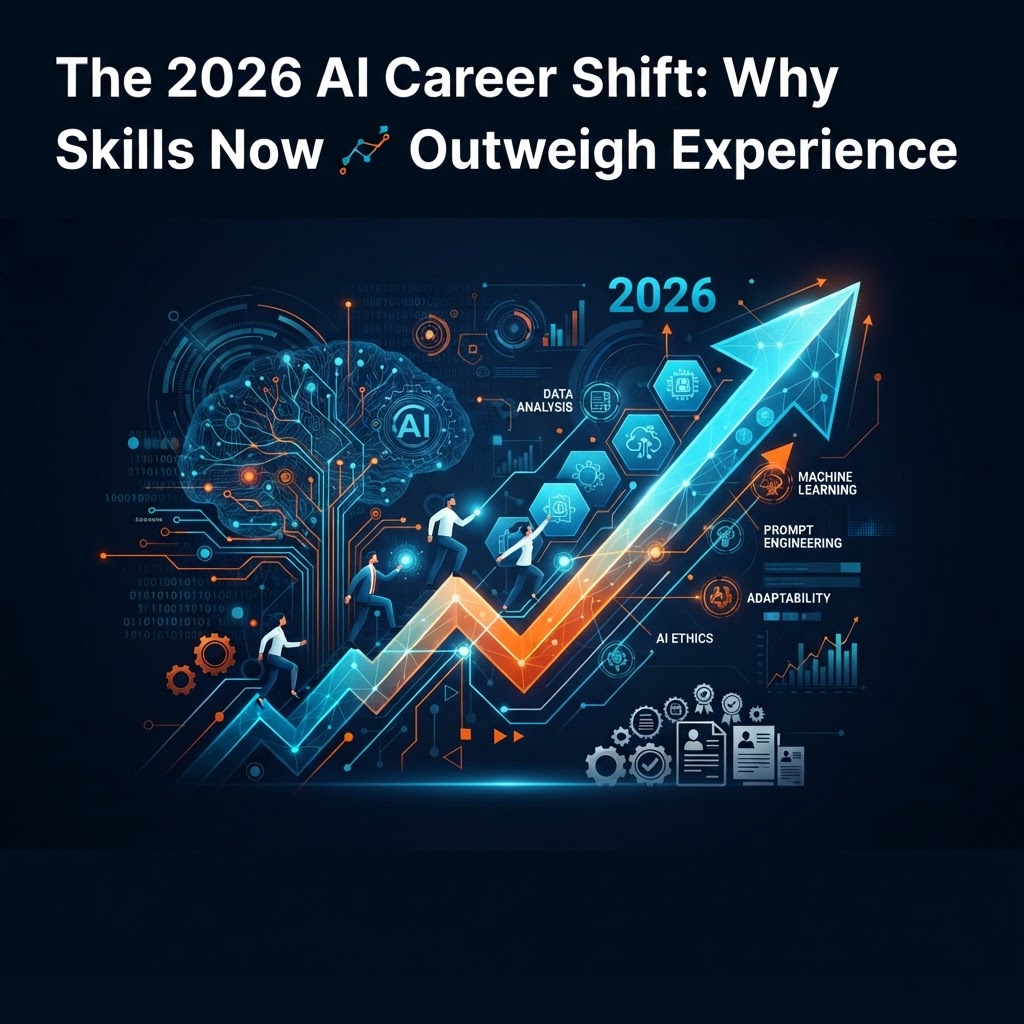
Perhaps the most startling development this year comes from a joint study by LinkedIn and Microsoft. Their research reveals that 66% of business leaders now state they would not hire someone who lacks AI skills. Even more significantly, 71% of employers say they would rather hire a less experienced candidate who possesses AI proficiency than a more seasoned professional who does not.
This "Experience Paradox" is reshaping how mid-to-senior level professionals approach their career development. In the past, a decade of experience served as a protective moat; today, that moat is evaporating for those who haven't integrated AI into their workflows. Leaders are increasingly concerned that "traditional" experience may actually involve outdated methodologies that resist the speed and efficiency of AI-driven processes.
The Rise of "AI-Touched" Non-Technical Roles
One of the most significant trends of 2026 is the "escape" of AI from the technology sector. Data from Indeed shows that the number of "AI-touched" job titles—roles where AI is a core component of the daily function—has tripled since 2022. Surprisingly, this growth is most visible in non-technical sectors:
- Human Resources: AI is being used for predictive retention modeling and high-volume candidate sentiment analysis.
- Legal & Compliance: Professionals are leveraging AI for automated discovery and real-time regulatory mapping.
- Healthcare & Physical Therapy: Emerging job listings now specifically seek "AI-enabled" practitioners who can interpret machine-generated diagnostic data.
In the U.S. and major European markets, the majority of AI-labeled jobs are now found outside of software engineering. This indicates that the greatest career opportunities currently lie in being the "bridge"—the professional who understands their domain deeply but uses AI to execute at 10x the speed of their peers.
The AI Payday: Breaking Down the Salary Surges
For those who have successfully made the switch, the financial rewards are substantial. Recent findings from BizReport and Lorien’s 2024-2026 Salary Surveys highlight a widening gap between AI-literate professionals and their counterparts:
- The AI Premium: AI-related roles currently offer an average of 77.5% higher salaries than non-AI occupations.
- Sector Winners: While AI Engineers remain the highest earners (averaging $194,000+), the highest percentage increases are appearing in IT support and marketing, where AI skills can boost a base salary by as much as 47%.
- The Entry-Level Surge: Demand for AI skills in entry-level positions has nearly tripled since late 2025. This has effectively "compressed" the career ladder, allowing junior employees with high AI aptitude to command salaries previously reserved for mid-level management.
The 2026 Skillset: Blending Code with Creativity
As AI handles more of the routine technical tasks—such as basic coding, data entry, and template-based writing—the market value of "human-centric" skills is actually rising. The 2026 Autodesk AI Jobs Report identifies that design, leadership, and emotional intelligence are now the most in-demand skills in AI-related job postings.
Employers are no longer just looking for people who can write a prompt; they want professionals who can:
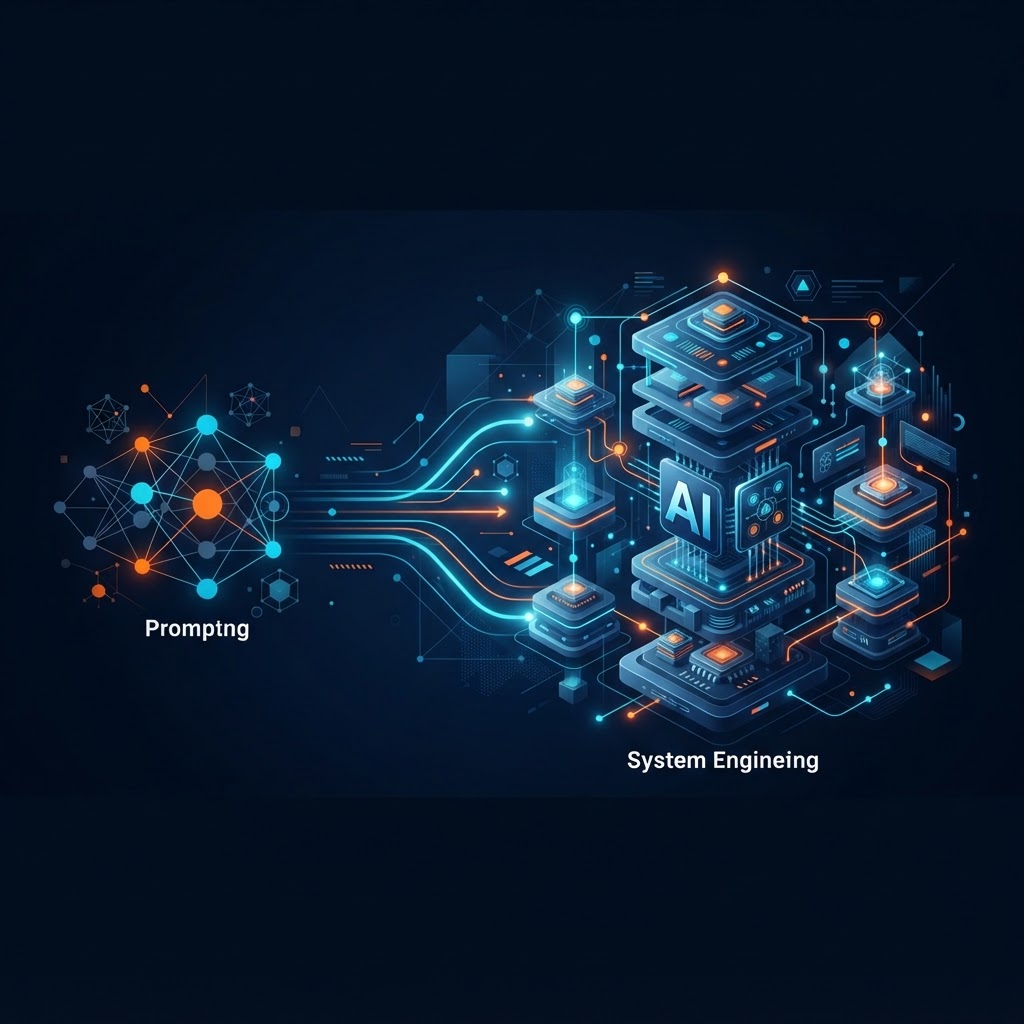
- Architect Systems: Understanding how different AI agents interact within a business workflow.
- Exercise Judgment: Identifying when an AI-generated output is ethically sound or factually accurate.
- Drive Innovation: Using AI as a tool for creative problem-solving rather than just a replacement for labor.
Conclusion: Your Roadmap for the Remainder of 2026
The message from the 2026 job market is clear: the "AI apocalypse" isn't a loss of jobs, but a total transformation of how roles are valued. To remain competitive, professionals must move beyond basic chatbot usage and pursue formal certification in AI implementation and strategy.
At CodeDexters, we recommend focusing on becoming an "AI-Augmented Professional." Don't just learn the tools—learn how to lead the teams that use them. The 77% salary premium is waiting for those who can bridge the gap between human intuition and machine intelligence.
Found this article helpful? Share it with your network:
Related Articles
Explore Your Certification Pathway
Book a consultation with a certification advisor to confirm the right pathway for your role, goals and Early-Bird eligibility.