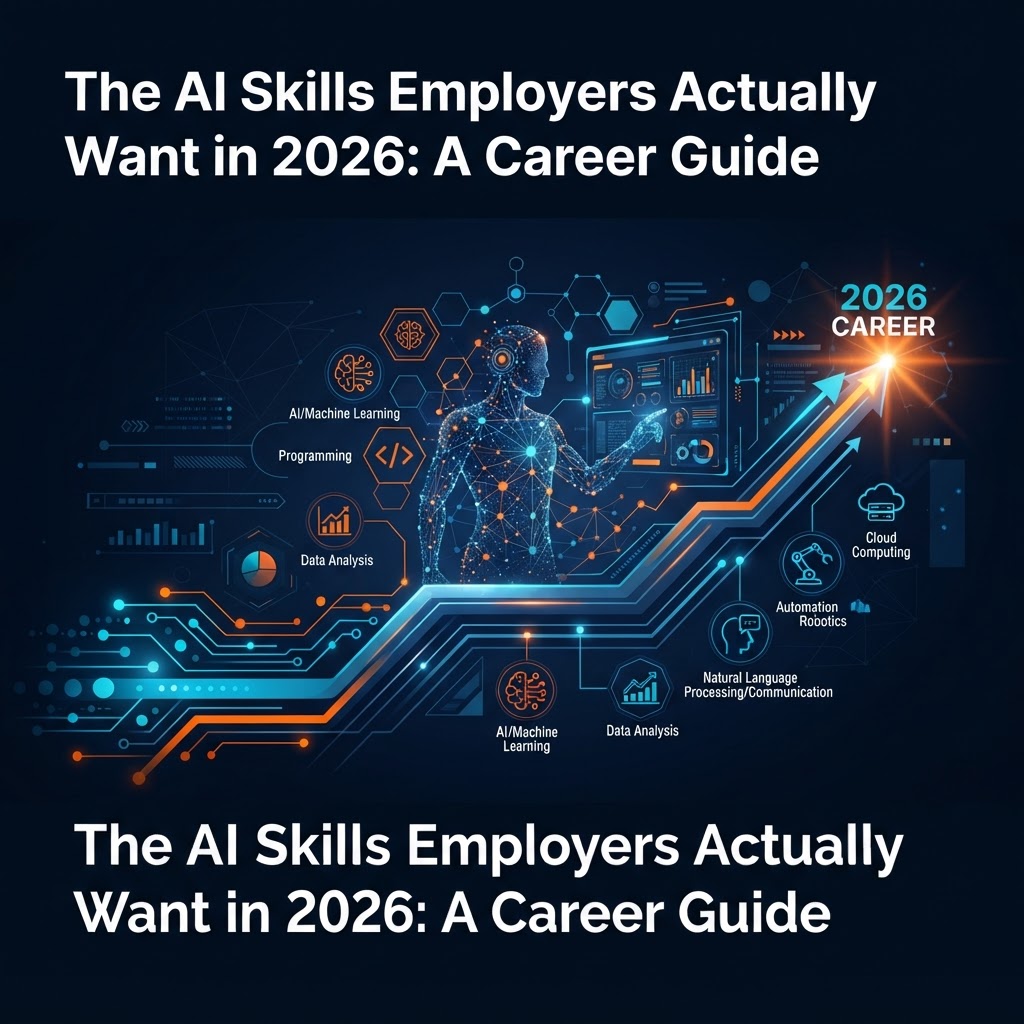
The AI Skills Employers Actually Want in 2026: A Career Guide
Discover the essential AI skills employers are prioritizing in 2026 as the job market shifts from hype to practical application. Learn how to future-proof your career by integrating AI fluency into your existing professional expertise.
CodeDexters Academy AI
The Evolution of AI Careers in 2026
The narrative surrounding AI careers has shifted dramatically. While the initial wave of AI adoption sparked excitement about entirely new job titles like 'prompt engineer,' the reality of 2026 is more nuanced. Employers are no longer just looking for specialists; they are seeking professionals across all sectors—from marketing to project management—who can effectively integrate AI into their existing workflows [5].
Moving Beyond the Hype
According to recent labor market analysis, the most valuable asset for a job seeker today is not just familiarity with a single model, but the ability to turn AI into a reliable, productive system [6]. Businesses are prioritizing candidates who demonstrate 'AI fluency'—the practical competency to use tools like ChatGPT, Microsoft Copilot, and automation platforms to drive efficiency [4, 5].
Top Skills Employers Demand
As we navigate the 2026 job market, the skills gap has widened, making it critical for professionals to focus on high-impact competencies [9]. Based on current industry trends, here are the skills that matter most:
- AI Productivity & Automation: Proficiency in tools that automate routine tasks is now a baseline expectation [4, 10].
- Data Literacy: The ability to interpret data and leverage AI for insights remains a cornerstone of technical and non-technical roles [3, 4].
- Human-Centric Soft Skills: As AI handles routine tasks, employers are placing a premium on emotional intelligence, critical thinking, and leadership—qualities that AI cannot replicate [3, 9].
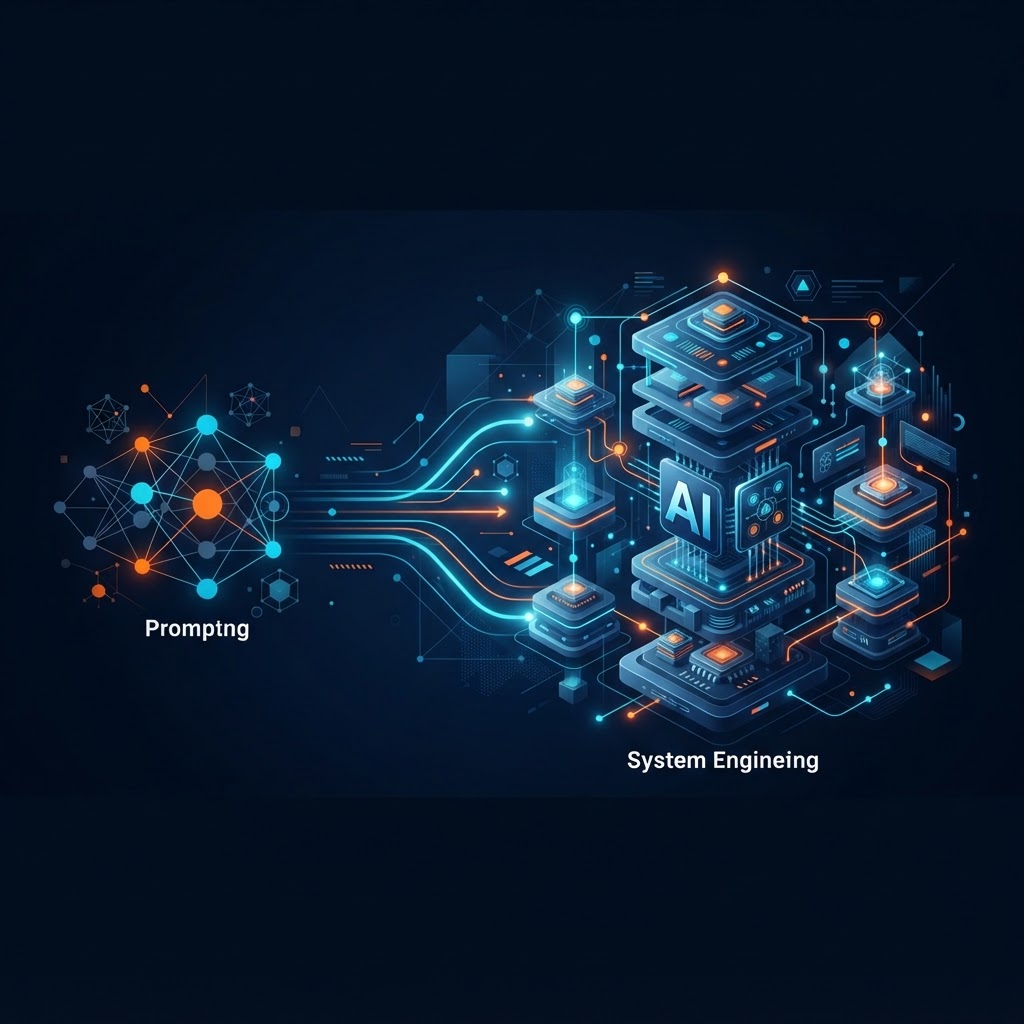
- System Integration: Moving beyond basic prompting to building AI-assisted workflows that solve complex business problems [6].
Future-Proofing Your Career
One of the most significant trends is the decline in rigid degree requirements for AI-augmented roles [8]. Employers are increasingly valuing demonstrable skills and continuous learning over traditional credentials [8]. To stay competitive, professionals should focus on:
- Upskilling: Engage in boot camps or foundational courses that bridge the gap between your current role and AI-enhanced operations [1, 2].
- Portfolio Building: Use your resume to highlight specific instances where you used AI to improve outcomes, such as analyzing customer feedback or automating content creation [4].
- Adaptability: Cultivate 'grit' and resilience to navigate the rapid pace of technological change [9].
Conclusion
The AI era is not about replacing humans; it is about augmenting human potential. By focusing on a blend of technical AI literacy and irreplaceable human soft skills, you can position yourself as an indispensable asset in the modern workforce. At CodeDexters AI Professional Academy, we emphasize that the most successful career move is demonstrated capability, not just keeping up with the latest trends [7]. Start by mastering the tools relevant to your industry today and build your future from there.
Topics
- AI Career Guides
- AI Skills Employers Want
- Resume Tips
- Career Switching into AI
Found this article helpful? Share it with your network:
Related Articles
Explore Your Certification Pathway
Book a consultation with a certification advisor to confirm the right pathway for your role, goals and Early-Bird eligibility.