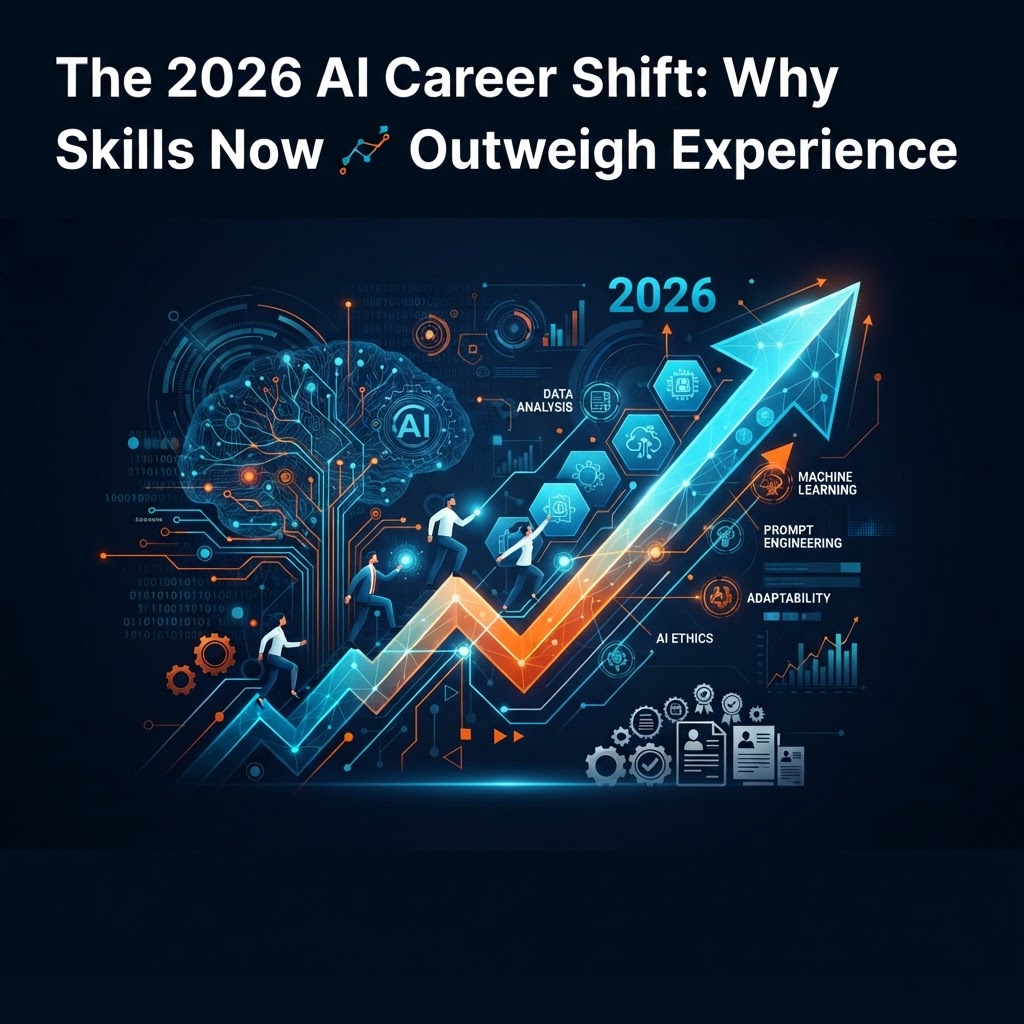
The Great AI Recalibration: Why Skills Now Outweigh Experience
Recent data from Microsoft, LinkedIn, and PwC indicates a massive shift in the global labor market where AI proficiency is now more valuable than years of traditional experience. This 'Great Recalibration' has created a 62% salary premium for AI-skilled roles.
CodeDexters Academy AI
The Great AI Recalibration: Why Skills Now Outweigh Experience
Recent data from Microsoft, LinkedIn, and PwC indicates a massive shift in the global labor market where AI proficiency is now more valuable than years of traditional experience. This "Great Recalibration" has created a 62% salary premium for AI-skilled roles and birthed new career paths like AI Agent Orchestration.
The global job market has reached a definitive tipping point. According to the latest 2024/2025 Work Trend Index from Microsoft and LinkedIn, a staggering 71% of business leaders now say they would rather hire a less experienced candidate with AI skills than a more experienced candidate without them.
For professionals and business leaders, the message is clear: AI literacy is no longer an "added bonus"—it is the new baseline for employability. At CodeDexters AI Professional Academy, we are tracking these shifts in real-time. Here is a breakdown of the most significant developments in AI careers and how you can navigate them.
The Rise of the "Agentic" Career Path
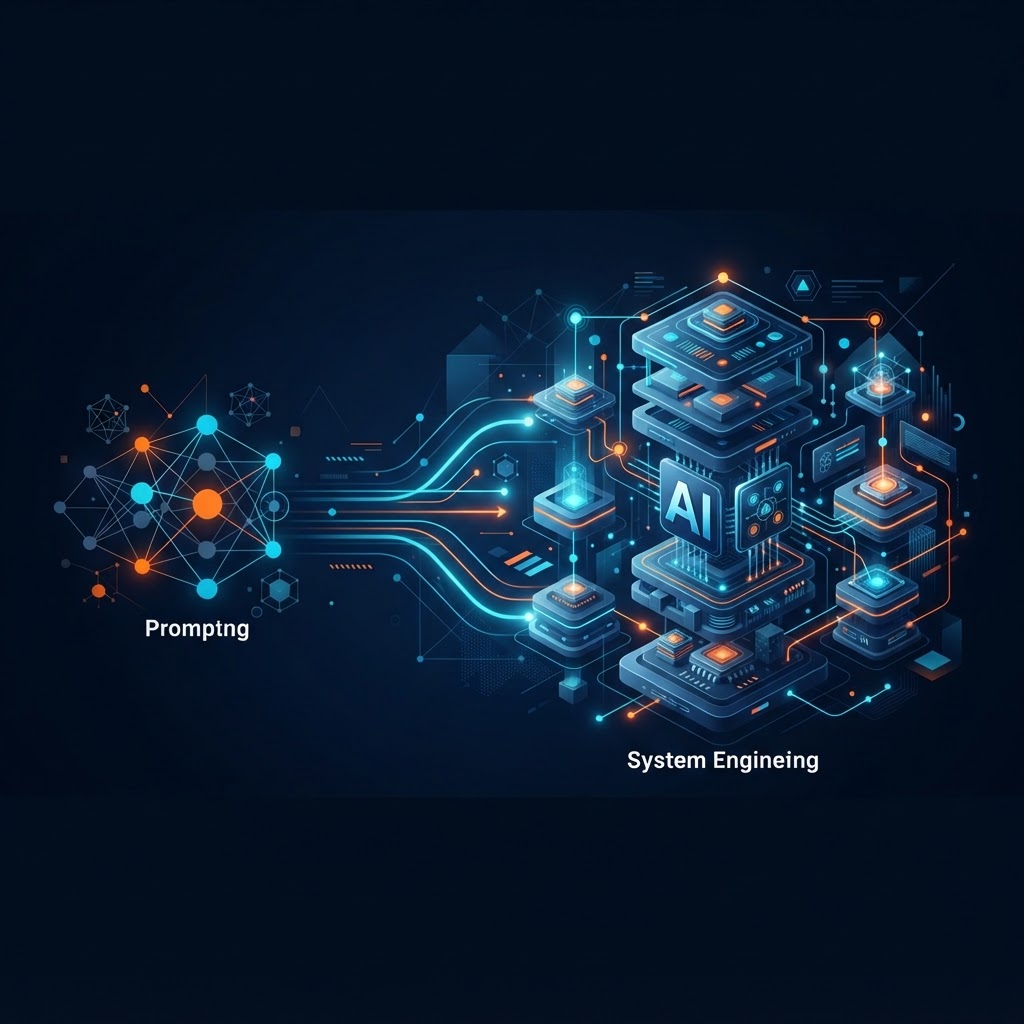
The most significant technical development in late 2024 and early 2025 is the shift from simple Generative AI (chatbots) to Agentic AI. While 2023 was the year of the "Prompt Engineer," the market has quickly matured. Employers are now looking for AI Agent Architects and Orchestration Engineers.
Unlike simple prompt-based tools, AI Agents are designed to execute complex, multi-step workflows autonomously—booking travel, filing tickets, or even writing and deploying code. Recent reports from DataCamp and Medium’s tech analysis show that AI Engineering roles have grown by 255% year-over-year, with a specific focus on those who can manage "multi-agent systems."
Emerging Job Titles for 2025:
- AI Agent Architect: Designing systems where multiple AI agents collaborate to solve business problems.
- AI Orchestration Engineer: Managing the integration between LLMs, internal data, and third-party APIs.
- AI Ethics & Compliance Specialist: A role growing in demand as European and U.S. regulations (like the EU AI Act) take full effect.
- AI FinOps Specialist: Professionals dedicated to monitoring and optimizing the high costs of GPU usage and API tokens.
The 62% Salary Premium
If there was any doubt about the value of these skills, the financial data has settled it. The PwC Global AI Jobs Barometer reveals that in the U.S., workers with verified AI skills now command a 62% wage premium—up from 57% just a year prior.
In specialized sectors like consumer markets and finance, this premium can soar as high as 118%. Median base salaries for AI-focused technical roles have officially crossed the $175,000 threshold, with senior specialists in AI safety and LLM fine-tuning regularly commanding packages between $200,000 and $310,000 before equity.
The "Experience Gap" for Early-Career Professionals
A sobering development found in the latest Stanford and ADP payroll research is the widening employment gap for younger workers (ages 22–25). Hiring for early-career roles in "AI-exposed" occupations has dropped 19% below historical averages.
This suggests that entry-level tasks are being automated, but it also presents an opportunity. The report finds that in occupations where AI complements the worker—such as in strategy, creative direction, and high-level management—employment is rising. The "junior" roles of the future will require candidates to demonstrate they can use AI to do the work of a mid-level professional from day one.
How to Stay Competitive: Three Strategic Tips
For those looking to switch careers or level up, the path forward requires more than just knowing how to use ChatGPT.
- Move Beyond the Chatbox: Employers want "Applied Builders." Focus your learning on RAG (Retrieval-Augmented Generation) and Agentic Workflows. Showing you can connect an AI to a database is worth more than a hundred clever prompts.
- Highlight AI Literacy on Your Resume: LinkedIn has seen a 142x increase in members adding AI skills like Copilot and GPT-4 to their profiles. Be specific: instead of saying "familiar with AI," list "Designed automated customer support workflows using LangChain."
- Prepare for the "AI Interview": Expect technical interviews to include "AI-assisted coding" or "AI-driven problem solving" assessments. Managers are no longer testing if you can work without AI; they are testing if you can work faster and better with it.
Conclusion: A Two-Track Labor Market
We are witnessing the emergence of a two-track labor market. On one track are the "AI Power Users" who report 90% higher work enjoyment and massive productivity gains. On the other are those caught in the "Experience Gap," where traditional tenure no longer guarantees security.
At CodeDexters AI Professional Academy, we believe the transition to an AI-driven career isn't just about learning code—it's about learning a new way to solve problems. Whether you are an entrepreneur looking to launch a lean AI startup or a professional aiming for that 62% salary premium, the time to recalibrate is now.
Found this article helpful? Share it with your network:
Related Articles
Explore Your Certification Pathway
Book a consultation with a certification advisor to confirm the right pathway for your role, goals and Early-Bird eligibility.