The Agentic AI Boom: New Salary Trends and Skills Employers Demand
Recent workforce data reveals an unprecedented 62% wage premium for AI proficiency, driven by agentic orchestration and production RAG. Discover the highest-paying skills and career strategies professionals need to capitalize on this shifting market.
CodeDexters Academy AI
The AI Job Market Split: Why the 62% Wage Premium Matters
The artificial intelligence labor market has fundamentally bifurcated. Recent workforce data from the PwC Global AI Jobs Barometer reveals that roles requiring specialized AI expertise now command an unprecedented 62% wage premium over non-AI counterparts—a sharp rise from 25% just two years prior. Meanwhile, job openings demanding AI capabilities are expanding at 69% year-over-year, dramatically outpacing the broader job market.
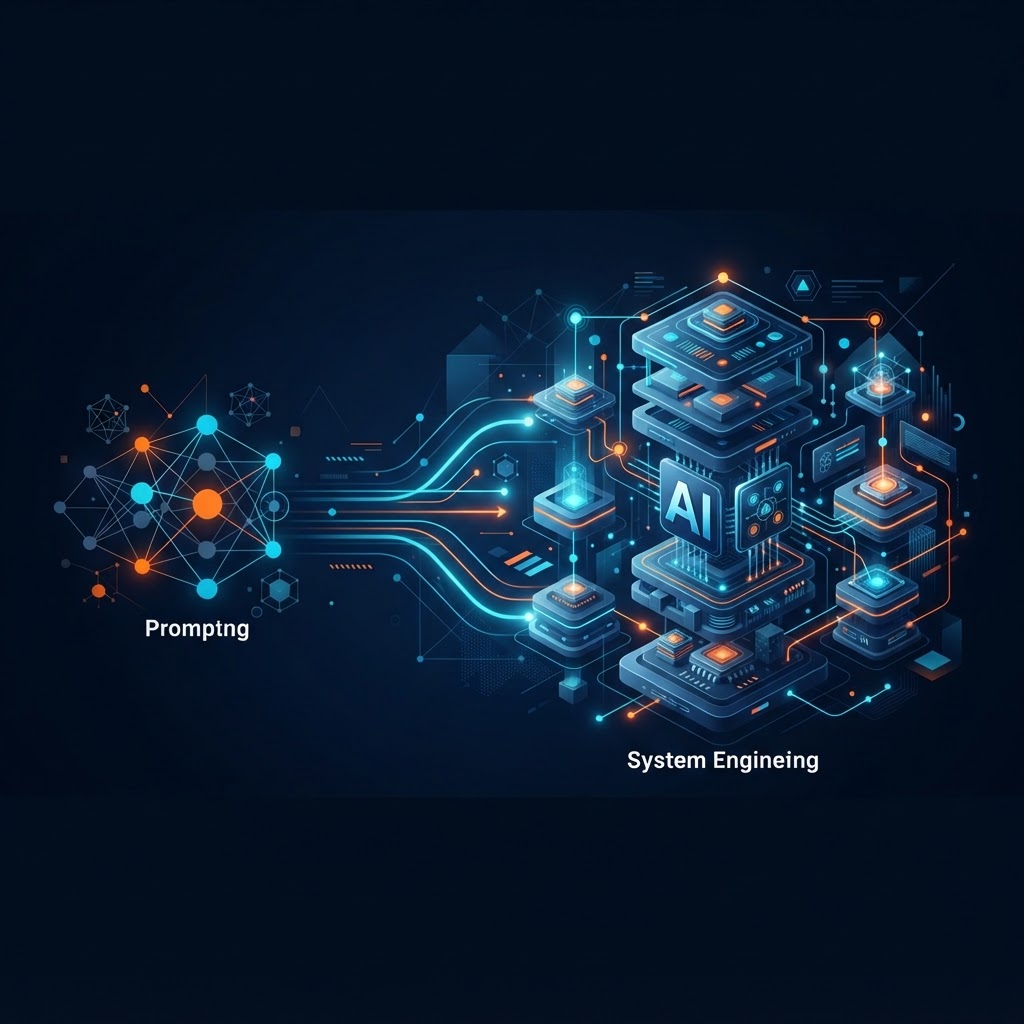
However, the nature of what employers are purchasing has undergone a seismic shift. The initial wave of experimental generative AI adoption—characterized by basic prompt crafting and speculative roles—has matured into an era prioritizing agentic orchestration, robust infrastructure, and applied return on investment (ROI).
For professionals seeking career transitions, consulting engagements, or leadership pathways, understanding these new market dynamics is the difference between staying stagnant and capturing top-tier compensation.
The In-Demand Skills Driving AI Salaries
Recent compensation benchmarks and developer surveys pinpoint the exact capabilities fueling top compensation bands:
1. Agent Orchestration and Autonomous Workflows
The fastest-growing technical segment has shifted from passive LLM querying to autonomous multi-agent systems. Developer compensation benchmarks indicate that engineers proficient in agent orchestration frameworks (such as LangGraph, CrewAI, and Amazon Bedrock Agents) command median compensation surpassing $200,000 to $209,500. Employers seek practitioners capable of designing deterministic guardrails, multi-tool integrations, and self-healing agent loops.
2. Retrieval-Augmented Generation (RAG) & Vector Architecture
While generalized data science roles have stabilized, demand for specialized RAG Engineers and vector database developers (e.g., pgvector, Pinecone) has surged. Organizations are aggressively hiring talent that can ground enterprise data while mitigating hallucinations, making context-aware information retrieval a core enterprise asset.
3. Production MLOps and Model Governance
Moving AI from a prototype notebook into a resilient enterprise pipeline remains the primary bottleneck for tech organizations. Competency in Kubernetes, containerized orchestration, latency optimization, and continuous evaluation benchmarks forms the technical baseline for senior packages ranging from $240,000 to $520,000 at AI-native companies and frontier labs.
┌────────────────────────────────────────────────────────┐
│ Top High-Compensation AI Skills                        │
├────────────────────────────────────────────────────────┤
│ • Agent Orchestration (LangGraph, Autogen)             │
│ • Production RAG & Vector Databases (pgvector)         │
│ • Enterprise Cloud AI Platforms (Bedrock, Azure AI)    │
│ • MLOps, Containerization & Infrastructure Monitoring  │
│ • Ethical Governance, Privacy & Output Auditing        │
└────────────────────────────────────────────────────────┘
Beyond Tech: The Rise of the "AI-Augmented" Professional
Crucially, the hiring surge is no longer confined to traditional engineering departments. Labor market findings indicate that more than 50% of AI-related job postings are now situated outside IT, spanning operations, product management, finance, and marketing.
Stand-alone job titles like "Prompt Engineer" have largely been absorbed into existing business functions. Forward-thinking companies are paying premiums for domain experts who bring AI operational fluency:
- AI Product Management: Crafting human-in-the-loop product journeys and managing compute economics.
- Workflow Automation: Designing deterministic business processes augmented by reasoning models.
- Enterprise Risk & Compliance: Navigating emerging regulatory mandates, data residency requirements, and security evaluations.
Actionable Strategy: Positioning Your Career for the Shift
Whether preparing for technical interviews, career switching, or launching an AI consulting practice, implement these key adjustments:
- Transform Your Portfolio from Demos to Systems: Replace generic API-wrapper tutorials on your resume with deployed, production-grade applications featuring automated evaluation frameworks, logging, and measurable efficiency metrics.
- Master Agentic Frameworks: Move beyond single-prompt completion. Build end-to-end architectures that leverage memory, dynamic tool calling, and structured data outputs.
- Quantify AI Impact in Career Assets: When updating your executive resume or consulting credentials, highlight concrete efficiency gains: "Architected a hybrid RAG workflow reducing analyst research cycles by 42% while retaining 99.1% factual accuracy."
- Target High-Growth Niches in Consulting: Enterprise buyers are currently seeking guidance on internal AI adoption policies, model evaluation, and legacy database preparation—areas ripe for independent consultants and specialized practitioners.
Conclusion
The market for AI talent has graduated from speculative curiosity to high-stakes operational execution. As organizations compete for professionals who can deploy reliable, agentic systems, the compensation premium will continue to favor practitioners who merge domain experience with rigorous, hands-on technical literacy. Continuous upskilling and accredited certification remain the most reliable avenues to capture these opportunities.
Found this article helpful? Share it with your network:
Related Articles
Explore Your Certification Pathway
Book a consultation with a certification advisor to confirm the right pathway for your role, goals and Early-Bird eligibility.