The 2026 AI Career Surge: Navigating the 56% Salary Premium
As AI skills become a prerequisite for 73% of tech roles, the labor market is shifting toward a high-value 'AI premium' for specialized talent. This guide explores the latest hiring trends, emerging roles like AI Safety Engineers, and how to secure the significant wage increases currently offered by employers.
CodeDexters Academy AI
The Great AI Integration: A New Era for Professionals
The landscape of professional employment has reached a definitive turning point. According to recent data from ACM CareerNews, job postings for roles with "AI" in the title surged by a staggering 173% year-over-year in the first quarter of 2026. In contrast, traditional software development roles saw a 22% dip, signaling a fundamental shift in how organizations value technical talent.
At CodeDexters AI Professional Academy, we are observing a market where AI proficiency is no longer a niche advantage but a baseline requirement. As of May 2026, 73% of all tech job postings now highlight at least one AI skill, a massive leap from just 15% in early 2024. This evolution is creating a "two-track" labor market where those who master AI tools are pulling ahead of their peers in both opportunity and compensation.
The Economic Reality: The 56% AI Wage Premium
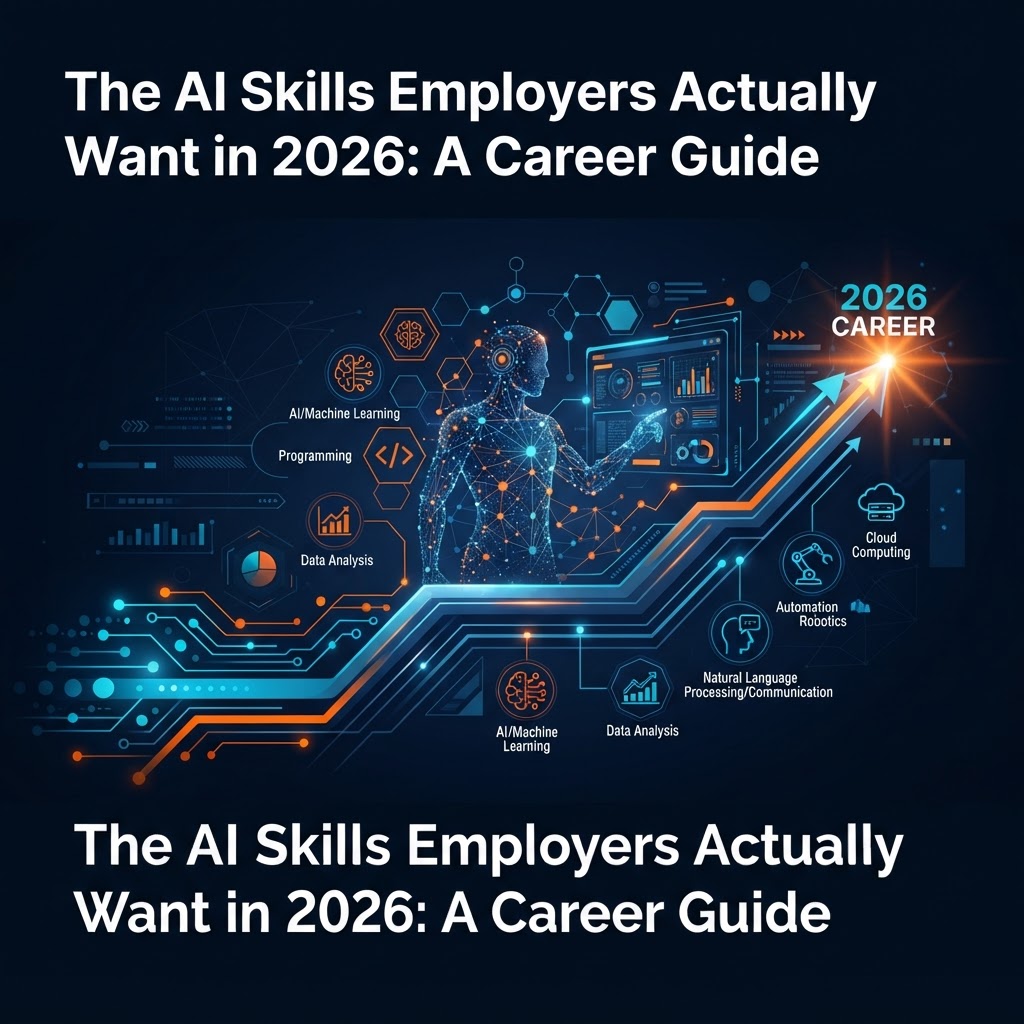
For professionals considering a career pivot, the financial incentives have never been clearer. The AI Skills Employers Want in 2026 report highlights that jobs requiring AI expertise now carry a wage premium as high as 56%, up significantly from 25% just a year prior.
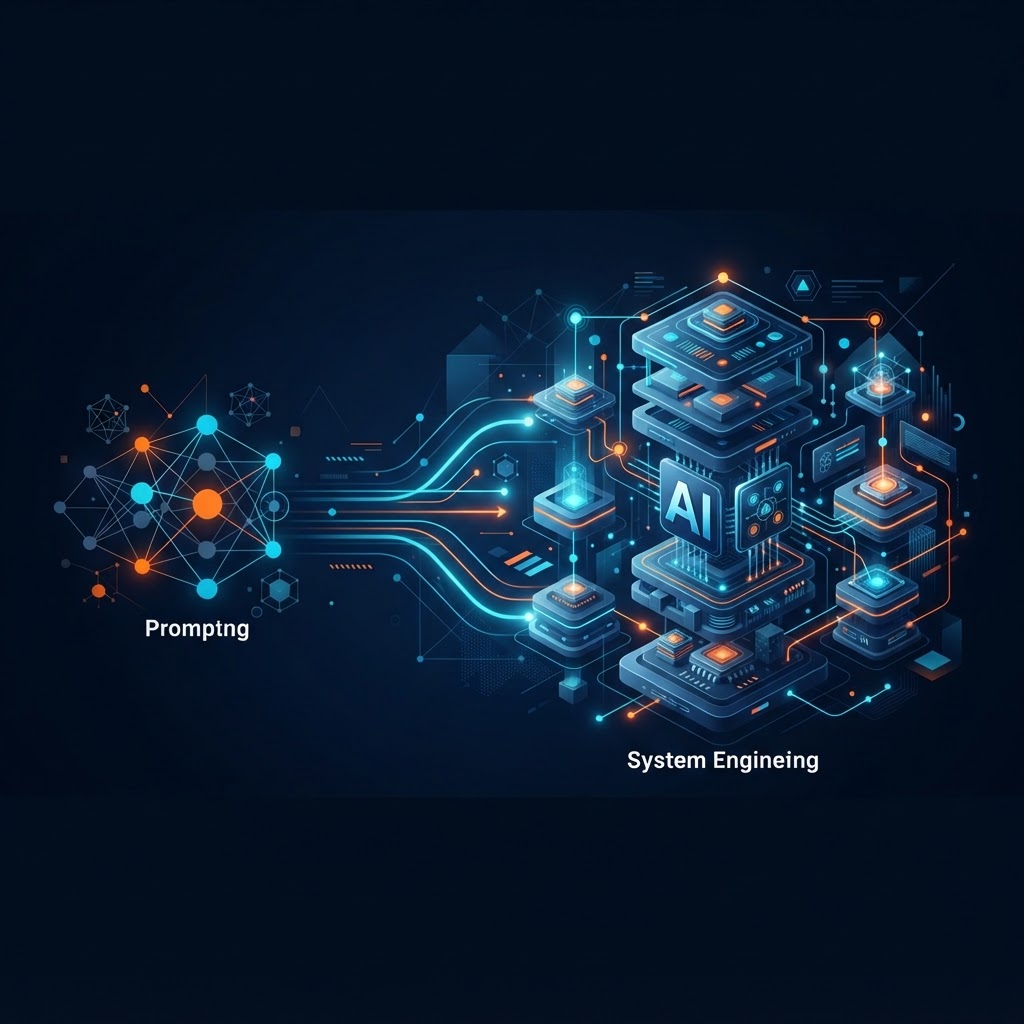
This growth is backed by long-term projections from the U.S. Bureau of Labor Statistics, which forecasts that employment for data scientists—the architects of the AI revolution—will increase by 33.5% through 2034. However, the demand isn't limited to data science. Employers are increasingly seeking "operational AI skills," which include the ability to write precise instructions for consistent results and optimizing workflows through automation.
Emerging Roles: Where the Opportunities Lie
As the market matures, we are seeing the birth of specialized roles that barely existed two years ago. According to the AI Job Market Trends Q1 2026 report, the following positions are seeing the highest hiring velocity:
- AI Safety Engineer: Focused on ensuring models operate within ethical and security boundaries.
- Synthetic Data Engineer: Creating high-quality, artificial datasets to train models where real-world data is scarce or sensitive.
- Forward Deployed Engineer: Bridging the gap between AI product development and real-world client implementation.
- AI Product Manager: Overseeing the lifecycle of AI-driven tools, ensuring they solve specific business problems rather than just providing "cool" technology.
What Employers Actually Want: The "Experience Gap"
While technical skills are vital, a significant trend in 2026 is the return to industry-specific expertise. Data from Kelly Services suggests that two-thirds of managers believe their recent hires' biggest gap wasn't technical ability, but industry experience.
Employers are willing to pay a premium for professionals who understand the nuances of healthcare, finance, or manufacturing and can apply AI to those specific contexts. The most successful candidates in today's market are those who combine core AI literacy—such as proficiency in tools like Claude, Gemini, or Copilot—with deep domain knowledge.
Navigating the AI-Driven Recruitment Process
Job seekers must also adapt to the fact that the hiring process itself is now AI-powered. Approximately 51% of organizations now use AI to support their recruiting efforts, with 44% specifically using it for screening resumes. To succeed, your resume must not only be human-readable but also optimized for AI scanners that look for demonstrated capabilities rather than just "panic collecting" certifications.
Key Tips for AI Career Success:
- Allocate Time for Learning: The market rewards continuous adaptation. Aim for 5-10 hours weekly to stay current with new frameworks.
- Focus on Responsible AI: As regulatory oversight increases, understanding AI threat intelligence and cloud security is becoming a "safe" career bet.
- Document Your Impact: Instead of listing tools, show how you used AI to improve productivity or solve a specific business problem.
Conclusion
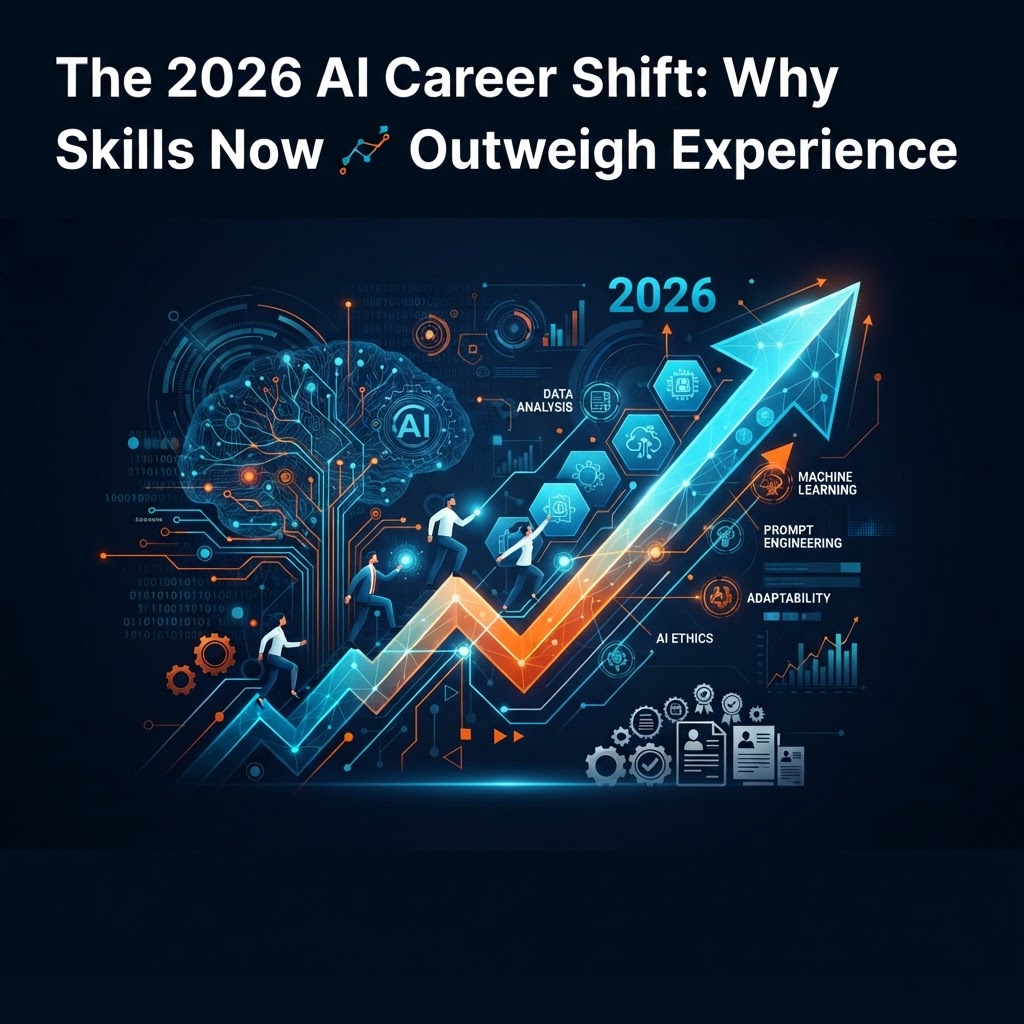
The AI career surge of 2026 represents a generational shift in the global workforce. While the pace of innovation is rapid, the path to success is clear: combine specialized AI technical skills with deep industry expertise. By positioning yourself at the intersection of emerging technology and business value, you can secure your place in the high-growth, high-compensation future of work.
Found this article helpful? Share it with your network:
Related Articles
Explore Your Certification Pathway
Book a consultation with a certification advisor to confirm the right pathway for your role, goals and Early-Bird eligibility.