AI Career Trends 2026: Skills-Based Hiring and the 56% Salary Premium
The 2026 AI job market is defined by a massive 56% salary premium for AI-fluent professionals and a definitive shift toward skills-based hiring. This guide explores the 'seniorization' of entry-level roles and the specific technical competencies, such as NLP and production-ready AI, that employers now demand.
CodeDexters Academy AI
The New Reality of AI Careers in 2026
The global labor market has reached a definitive turning point. According to the 2026 Global AI Jobs Barometer, we are now operating in a "two-track" jobs market. Roles that have been "professionalized" by artificial intelligence are growing twice as fast as those that haven't, and the financial rewards for those who adapt are staggering. For professionals and business leaders looking to stay competitive, understanding these shifts is no longer optional—it is the key to navigating the next decade of work.
The 56% AI Salary Premium
Recent data from Talentprise reveals that workers with demonstrable AI expertise can now command a 56% salary premium over their peers. This is more than double the premium recorded just a year ago. This surge isn't limited to software engineers; it spans healthcare, finance, and professional services. As noted in the PwC report, jobs requiring AI skills have seen 42% faster wage growth since 2021. This "AI dividend" reflects the urgent need for talent that can bridge the gap between raw technology and business value.
The "Seniorization" of Entry-Level Roles
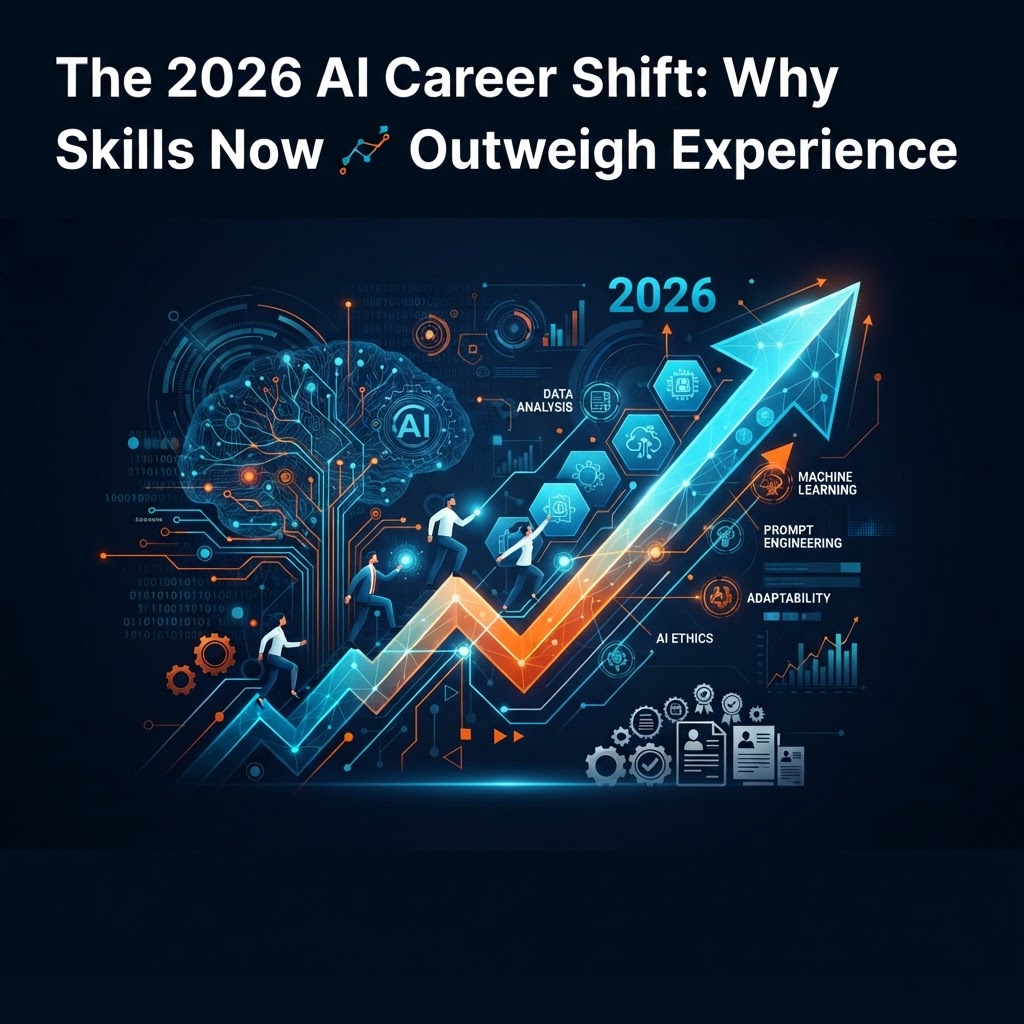
One of the most significant shifts in 2026 is the "seniorization" of entry-level positions. While traditional junior roles have flatlined in highly exposed sectors, "seniorised" entry-level roles—those requiring high-level AI competency from day one—have grown by 35% since 2019 (PwC).
This presents a unique challenge for new graduates and career switchers. Data from 365 Data Science indicates that only 2.5% of AI-related job postings target junior professionals with 0-2 years of experience. To break into the field, candidates must now demonstrate "production readiness" through internships, hackathons, or freelance projects that show they can handle real-world deployments (Coursera).
Skills Employers Want: Beyond the Hype
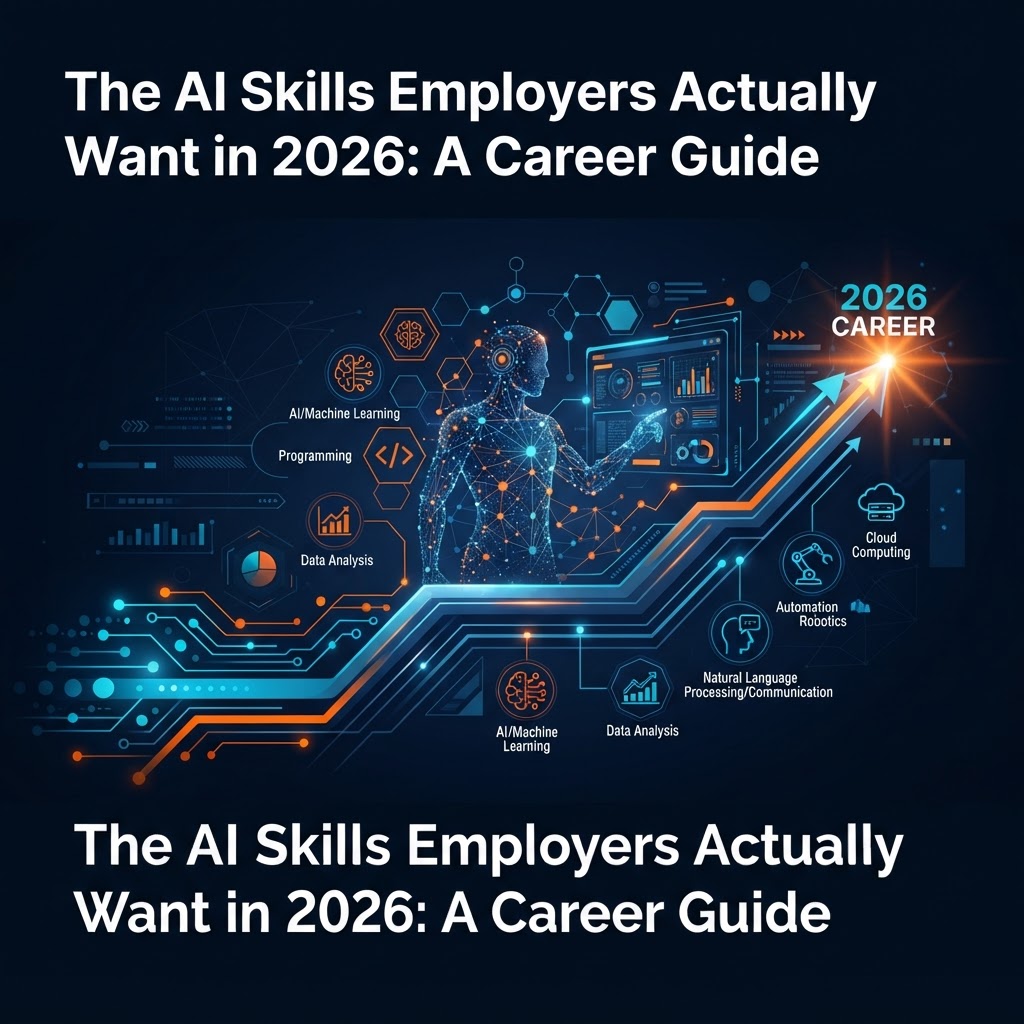
Employers are moving away from credential-based gatekeeping. Talentprise reports that 70% of employers now use skills-based hiring, evaluating what candidates can actually do rather than where they went to school. The most in-demand technical skills for 2026 include:
- Natural Language Processing (NLP): Demand has skyrocketed, with a 155% increase in job postings mentioning NLP (Gloat).
- Prompt Engineering & AI Literacy: These are no longer "nice-to-haves" but core expectations for early-career talent (NACE Job Outlook 2026).
- Production Infrastructure: Employers want to see that models can run as APIs or microservices using tools like Docker, Kubernetes, and cloud platforms like AWS or Azure (InterviewQuery).
- Human-Centric Skills: In the age of automation, strategic thinking and the ability to manage AI tools are becoming the most valued traits for business graduates (Yahoo Finance).
AI Entrepreneurship and Consulting
For those not looking for traditional employment, the rise of AI has opened massive doors in consulting and entrepreneurship. As organizations scramble to define their generative AI strategies, there is a growing need for experts who can implement "AI-boosted relevance" in search and user experience (Elastic Blog). Freelancing with AI is also becoming a viable entry point; Coursera suggests that starting with freelance projects is one of the most effective ways to sharpen skills and build the relationships necessary for long-term career growth.
Actionable Tips for Your AI Career
To succeed in this competitive landscape, your career strategy must be evidence-based:
- Quantify Your Impact: Use bullet points on your resume that show how your AI implementation improved metrics like latency, throughput, or cost (InterviewQuery).
- Build a Searchable Profile: 46% of recruiters now rely explicitly on skills data (Talentprise). Use exact keywords like "workflow automation" or "predictive maintenance" to ensure you appear in recruiter searches.
- Domain Expertise is Key: The highest-yield positioning combines AI skills with industry knowledge. Whether you are a nurse working with data platforms or a finance professional running AI-driven analysis, single-skill specialization is less competitive than a complementary stack (Talentprise).
Conclusion
The 2026 AI job market rewards precision, demonstrable skill, and the ability to adapt. As hiring projections for general roles level off, the demand for AI-fluent professionals continues to grow at an unprecedented rate. By focusing on high-growth technical skills like NLP and adopting a skills-first approach to your professional branding, you can position yourself at the forefront of this lucrative career evolution. The future belongs to those who don't just use AI, but master its application to solve real-world problems.
Found this article helpful? Share it with your network:
Related Articles
Explore Your Certification Pathway
Book a consultation with a certification advisor to confirm the right pathway for your role, goals and Early-Bird eligibility.